Affordable Dumpster Rental Services: What You Need to Know Before You Book
When you are tackling a big home project in Tennessee, whether it is a kitchen gut renovation, a garage cleanout, or a full landscaping overhaul, waste piles up fast. That is exactly why finding affordable dumpster rental services matters more than most homeowners realize before they get started. At DIY Dumpster, we make the rental process simple, transparent, and budget-friendly for homeowners all across Tennessee. No hidden fees, no confusing contracts, and no wasted time calling around. Before you book, here is everything you need to know so you make the right call on the first try.
Why Tennessee Homeowners Choose Roll-Off Dumpster Rentals
Most people underestimate how much junk a single project generates. A bathroom remodel alone can produce hundreds of pounds of tile, drywall, and old fixtures. Hauling that in a pickup truck across multiple trips wastes your weekend and costs more in fuel than you think.
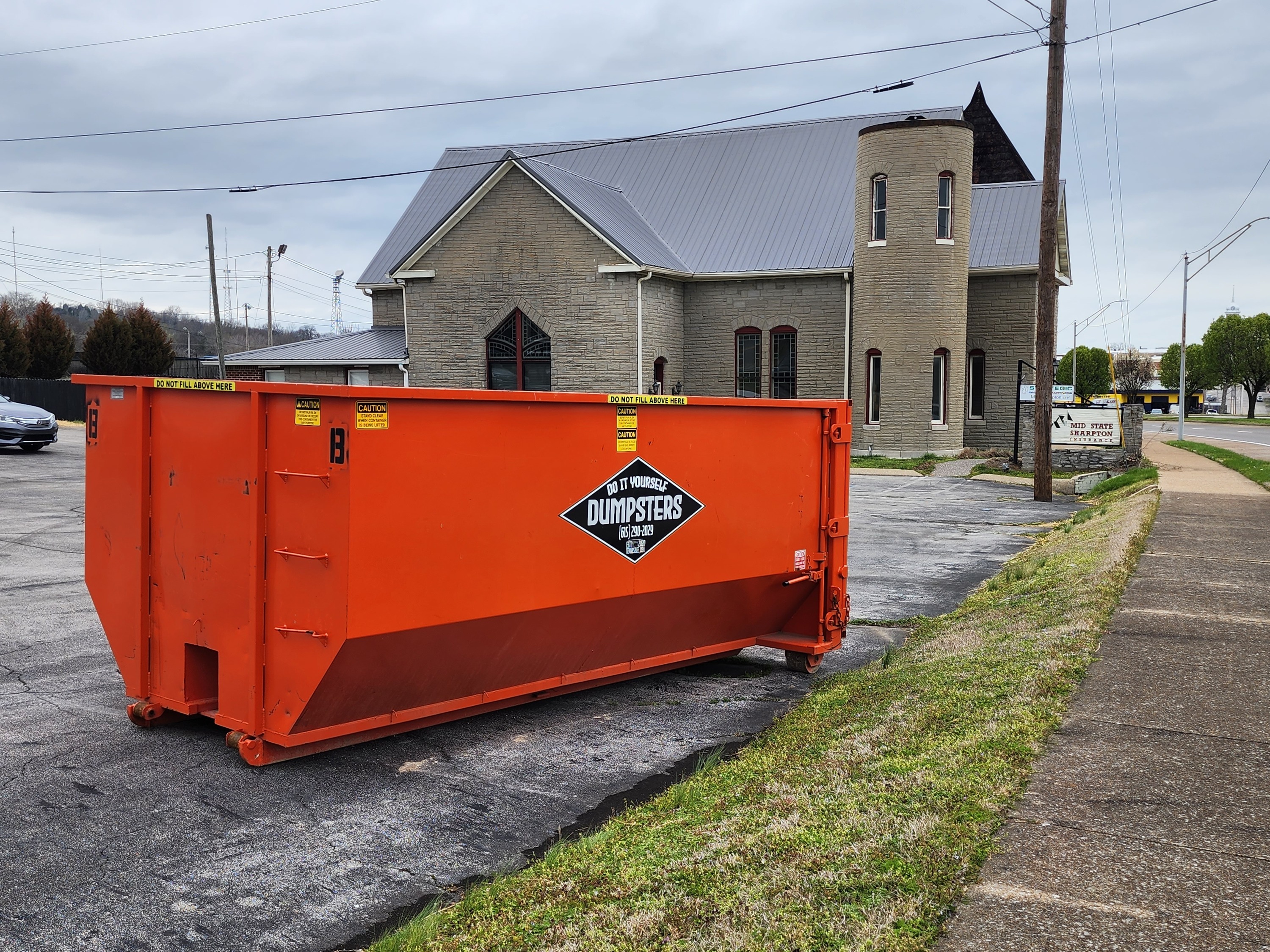
A roll-off dumpster rental puts a dedicated container right in your driveway. You toss everything in at your own pace, and we handle the rest. It is that straightforward.
Here is why Tennessee homeowners keep coming back to DIY Dumpster:
- Flat-rate, upfront pricing with no surprise charges at pickup
- Flexible rental periods to fit your project timeline
- Multiple dumpster sizes so you only pay for what you actually need
- Service across all of Tennessee, from Memphis to Kingsport and everywhere in between
- Fast delivery and pickup, often within 24 hours of booking
If you want to read more about how to choose the right container for your project, check out this helpful guide from This Old House on dumpster rental tips which breaks down what to look for in any rental company.
Understanding Dumpster Sizes: Which One Do You Actually Need?
Choosing the wrong size is the most common and costly mistake homeowners make. Going too small means you pay for a second haul. Going too big means you waste money on unused space.
Here is a quick breakdown of the most popular roll-off sizes and what they are best suited for:
| Dumpster Size | Cubic Yards | Best For |
|---|---|---|
| 10 Yard | 10 cubic yards | Small cleanouts, single-room renovations, yard debris |
| 15 Yard | 15 cubic yards | Medium remodels, deck removal, garage cleanouts |
| 20 Yard | 20 cubic yards | Whole-home cleanouts, roofing jobs, large renovations |
| 30 Yard | 30 cubic yards | New construction, major demolition, commercial projects |
10 Yard vs 20 Yard Dumpster: A Side-by-Side Look
This is the question we get asked most often. Here is a direct comparison:
| Feature | 10 Yard | 20 Yard |
|---|---|---|
| Capacity | About 3 pickup truck loads | About 6 pickup truck loads |
| Ideal Project Size | Single room, small cleanout | Full home renovation, roofing |
| Space Required | Roughly half a driveway | Full standard driveway lane |
| Cost (General Range) | Lower | Moderate to mid-range |
Rule of thumb: If your project involves more than two rooms or includes structural materials like concrete, flooring, or roofing shingles, go with the 20 yard. If you are clearing out a single bedroom or just pruning back the yard, the 10 yard is the smarter choice.
According to the EPA's sustainable construction and demolition materials data , over 600 million tons of construction and demolition debris were generated across the US in 2018 alone. Commercial projects account for the majority of that figure, which is exactly why getting your container size right from the start saves real money.
What Can You Throw in a Rented Dumpster?
This is where a lot of first-time renters get tripped up. Not everything is allowed, and knowing the rules upfront saves you from unexpected fees.
Accepted materials:
- Household junk and furniture
- Yard waste and brush
- Construction debris (drywall, wood, flooring)
- Roofing materials
- Appliances (check with us on Freon-containing units)
- Concrete and dirt (weight limits apply)
Not accepted (prohibited items):
- Hazardous chemicals and paints
- Tires
- Batteries
- Medical waste
- Asbestos-containing materials
- Electronics (in most cases)
If you are unsure about a specific item, just give us a call before loading. It is easier to ask upfront than deal with a fee after pickup.
If your project produces any regulated waste, Tennessee has specific disposal protocols that apply. The NFIB's Tennessee solid waste guidance for small businesses breaks down exactly what the Tennessee Department of Environment and Conservation (TDEC) may require of your business depending on how much waste you generate each month. Reading this before your project starts is worth the time.
For hazardous waste specifically, the TDEC Hazardous Waste Management Program outlines permit requirements and generator status rules that Tennessee businesses must follow regardless of who handles their standard waste removal.
How Pricing Actually Works
One of the biggest frustrations homeowners have with dumpster rentals is surprise billing. You expect to pay one amount and then the invoice looks completely different.
At DIY Dumpster, our pricing is transparent from the start. Your quote includes:
- Delivery and pickup fee
- A set weight allowance
- A defined rental period (usually 7 to 10 days)
Additional charges can apply if you go over the weight limit or need to extend your rental. We tell you exactly what those rates are before you commit. No fine print, no gotchas.
Factors that affect your total cost:
- Dumpster size selected
- Type of debris (heavy materials like concrete cost more per ton)
- Rental duration
- Your location within Tennessee
- Any overweight fees if your load exceeds the included limit
According to Angi's national dumpster rental cost data, average rental costs range from around $294 to $480 per week nationally, with commercial loads often running higher due to debris weight and volume. Choosing a locally rooted Tennessee company like DIY Dumpster consistently delivers better rates and faster response times than going through a national franchise operator.
Dumpster Rental vs Taking Trash to the Dump: Which Saves More?
A lot of homeowners assume loading up their own truck and driving to the landfill is cheaper. Let us break that down honestly.
DIY dump runs typically involve:
- Multiple trips (time and fuel)
- Landfill tipping fees (usually charged by weight or load size)
- Potential vehicle damage from heavy loads
- Physical labor loading and unloading each time
Roll-off dumpster rental gives you:
- One flat rate covering all your waste
- No trips, no driving, no tipping fees on your end
- Work at your own pace throughout the rental period
- Pickup handled entirely by us
For most projects generating more than one truckload of debris, a dumpster rental wins on both cost and convenience. The break-even point usually comes around two to three full pickup truck loads.
Key Things to Do Before Your Dumpster Arrives
Getting the drop-off location ready saves everyone time and protects your property.
- Clear a flat, accessible spot in your driveway or on your property
- Check for low-hanging branches or power lines above the placement area
- Move vehicles out of the way at least an hour before scheduled delivery
- Place plywood boards under the dumpster feet if you want to protect your driveway surface
- Know your HOA rules if you live in a community that regulates visible dumpsters
If you have questions about placement or permits (some Tennessee counties may require them for street placement), visit our service area page to find local contact information and get answers fast.
Frequently Asked Questions
1. How Much Does a Dumpster Rental Actually Cost?
Costs depend on dumpster size, rental period, debris type, and location. In Tennessee, most residential rentals fall between $250 and $600 for a standard 10 to 20 yard container. DIY Dumpster provides upfront quotes with no hidden fees so you know your total before delivery.
2. 10 Yard vs 20 Yard Dumpster: Which Size Do I Need?
A 10 yard fits about 3 pickup truck loads and works well for single-room cleanouts or small landscaping jobs. A 20 yard handles about 6 pickup truck loads and is better for full home renovations, roofing, or multi-room projects. When in doubt, size up by one level.
3. Will My Couch Fit in a 10 Yard Dumpster?
Yes, a standard couch will fit in a 10 yard dumpster. The open-top design makes it easy to load large furniture items. Just keep in mind the total weight limit. If you are clearing out an entire house, a 20 yard or 30 yard will give you more room to work with.
4. Dumpster Rental vs Taking Trash to the Dump: Cost Comparison?
Hauling your own trash involves fuel costs, multiple trips, and landfill tipping fees that add up quickly. A dumpster rental covers all of that in one flat rate. For any project producing more than two truckloads of debris, renting is almost always the more cost-effective and time-saving option.
5. Is a Bagster Cheaper Than Renting a Dumpster?
A Bagster bag (sold at hardware stores for around $30) looks affordable upfront, but pickup fees from Waste Management typically run $150 to $200 or more, depending on your area. Bagsters also hold only about 3 cubic yards. For any project bigger than a very small cleanout, a 10 yard dumpster rental is a better value and holds significantly more material.
Ready to Book Your Dumpster in Tennessee?
Whether you are clearing out decades of clutter, finishing a remodel, or taking on a major landscaping project, DIY Dumpster has the right size container waiting for you. We serve homeowners across all of Tennessee with fast delivery, honest pricing, and reliable pickup.
Visit DIY Dumpster today to get your free quote and book your roll-off container. Your project should not wait, and neither should you.
DIY Dumpster serves residential and commercial customers across Tennessee including Nashville, Memphis, Knoxville, Chattanooga, Clarksville, and surrounding areas.
DIY Dumpsters
Call Us Now: +1 (615) 290-2029
Our roll off dumpster rental works great for everything from a garage cleanout to a full remodel. We'll help you choose the right size and understand dumpster rental prices up front, so there are no surprises.
Ready to book a roll off dumpster rental? Message us or schedule online and we'll get you taken care of.